The Google Map Pack Explained: Why Only Three Businesses Get the Calls
How brand recognition and trust determine who Google puts front and center
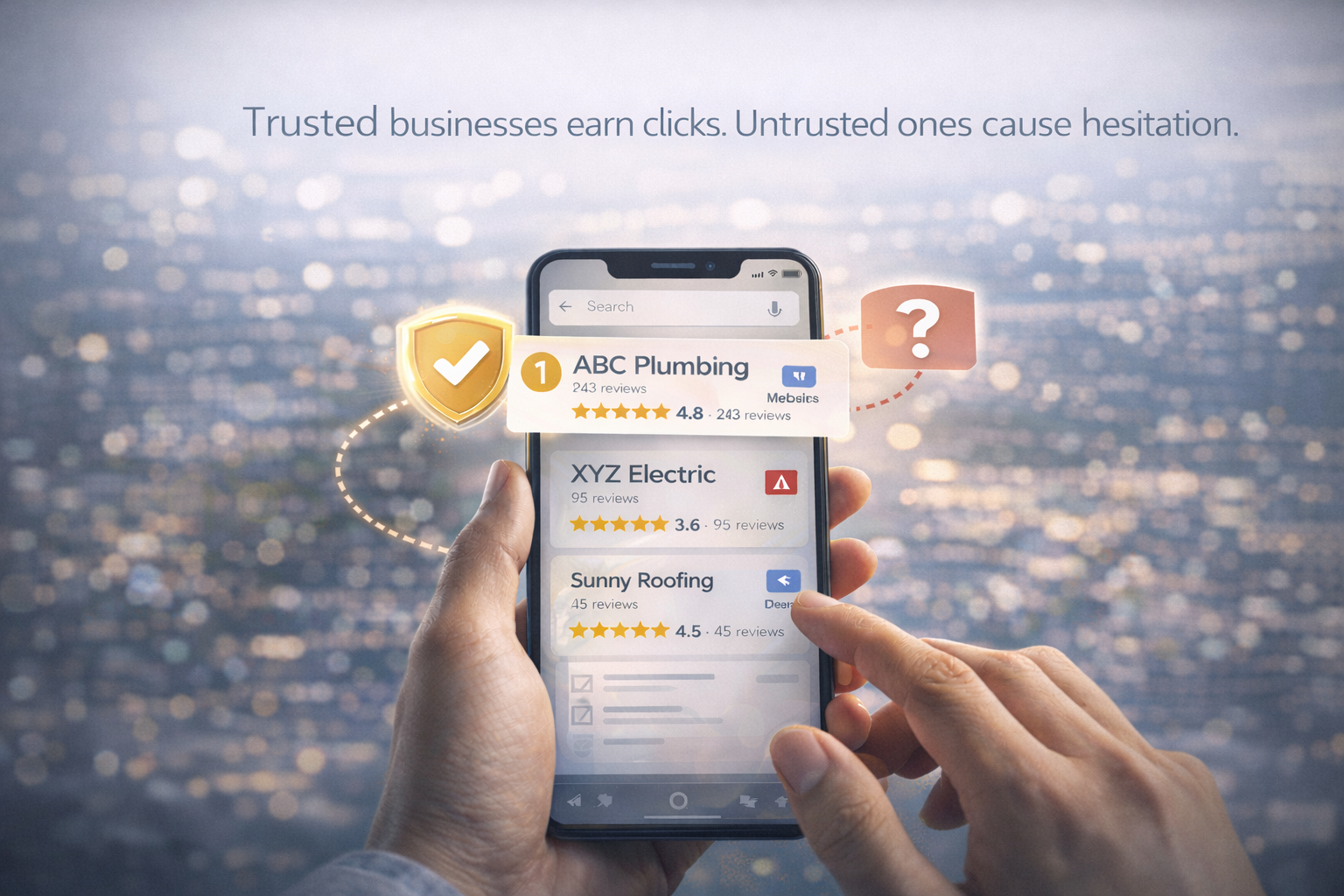
When people search for a local service, they aren’t casually browsing. They’re often in a hurry, looking for reassurance, and ready to make a decision. Google understands this behavior, which is why it doesn’t overwhelm users with endless options. Instead, it highlights just a few. The Google Map Pack appears at the very top of local search results, and the businesses shown there receive the majority of calls, inquiries, and attention—often before a website is ever opened.
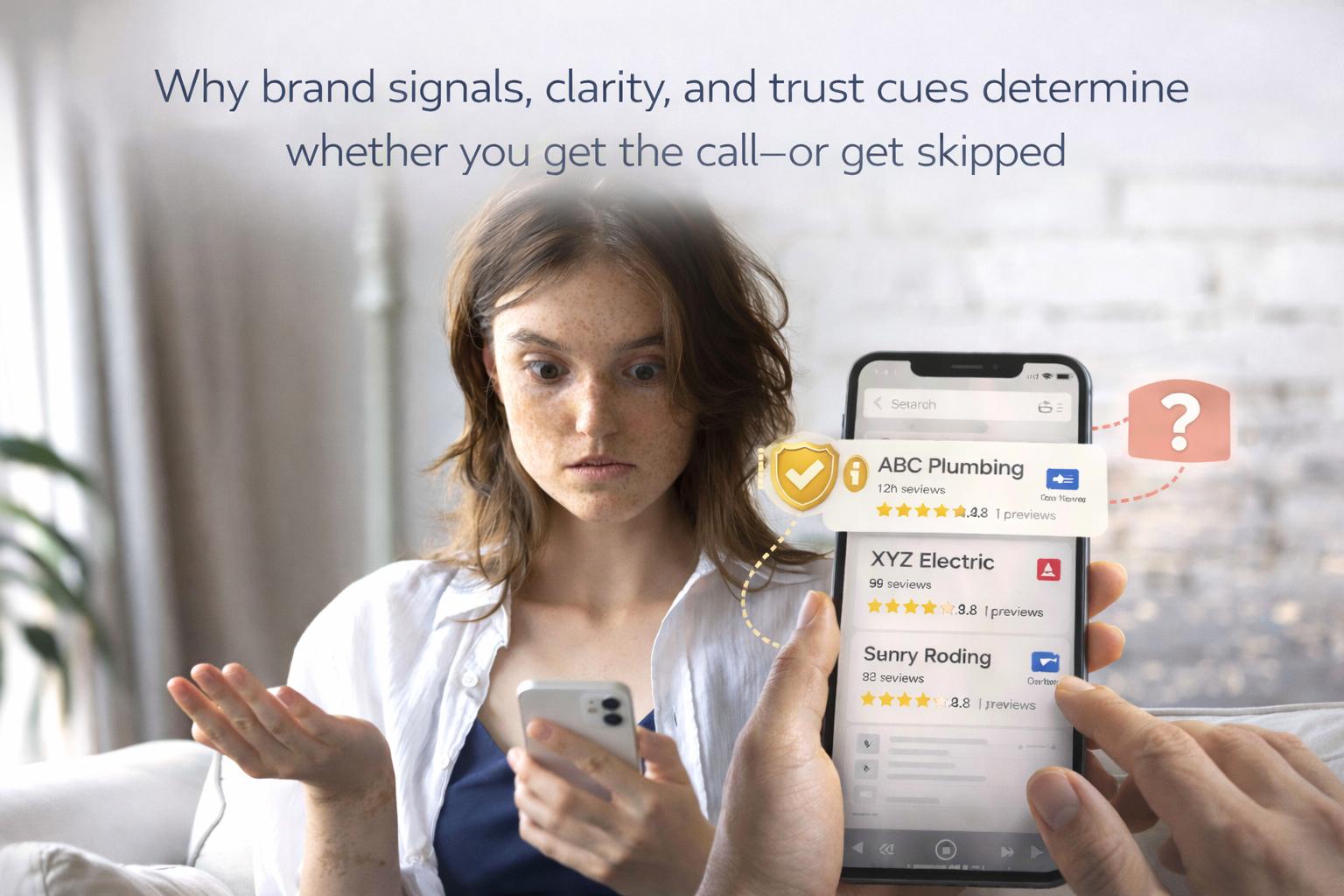
This space carries weight because it creates instant confidence. Being featured in the Map Pack signals that Google trusts your business enough to recommend it first. For customers, that visibility translates into legitimacy. For businesses, it becomes one of the strongest drivers of local growth.
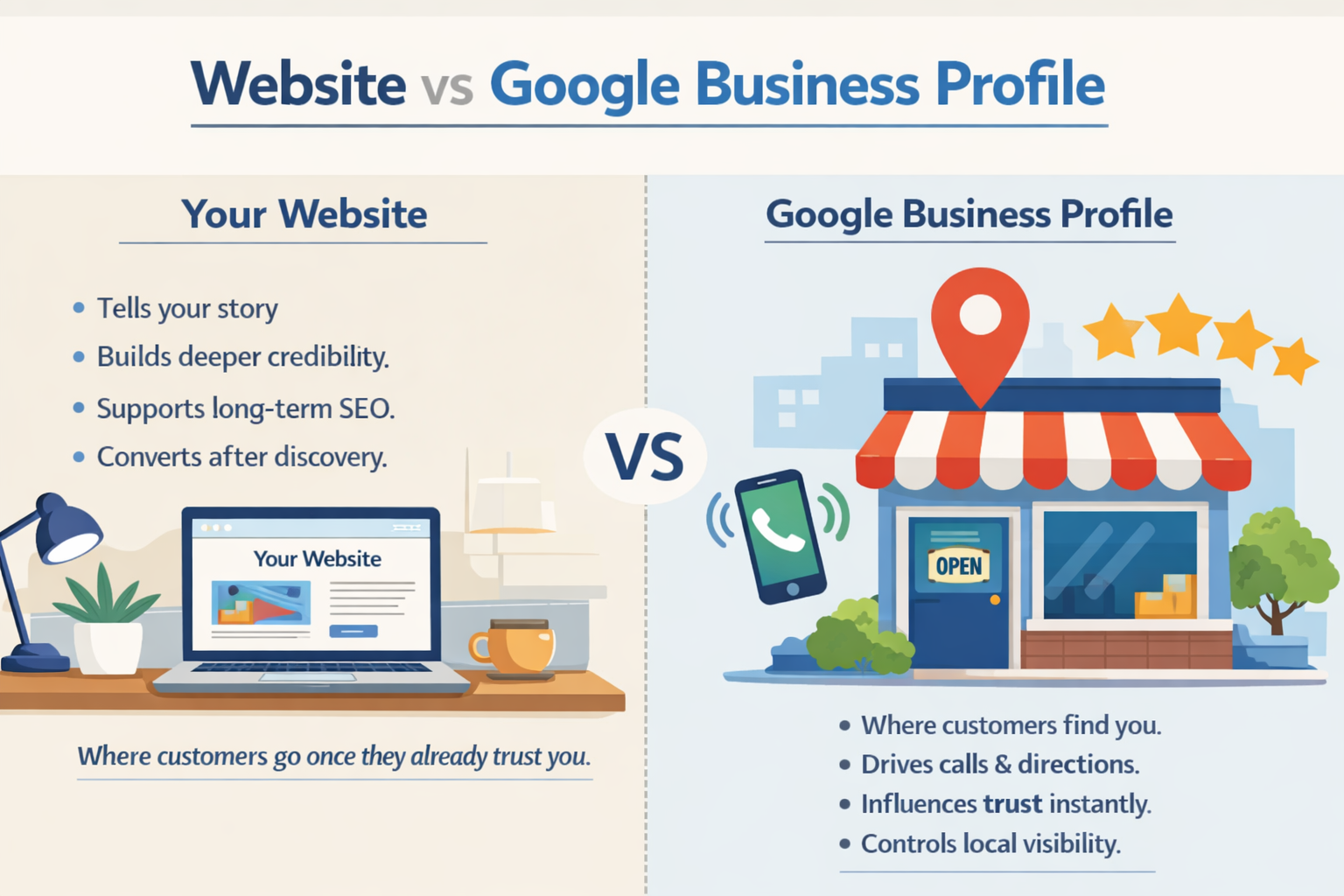
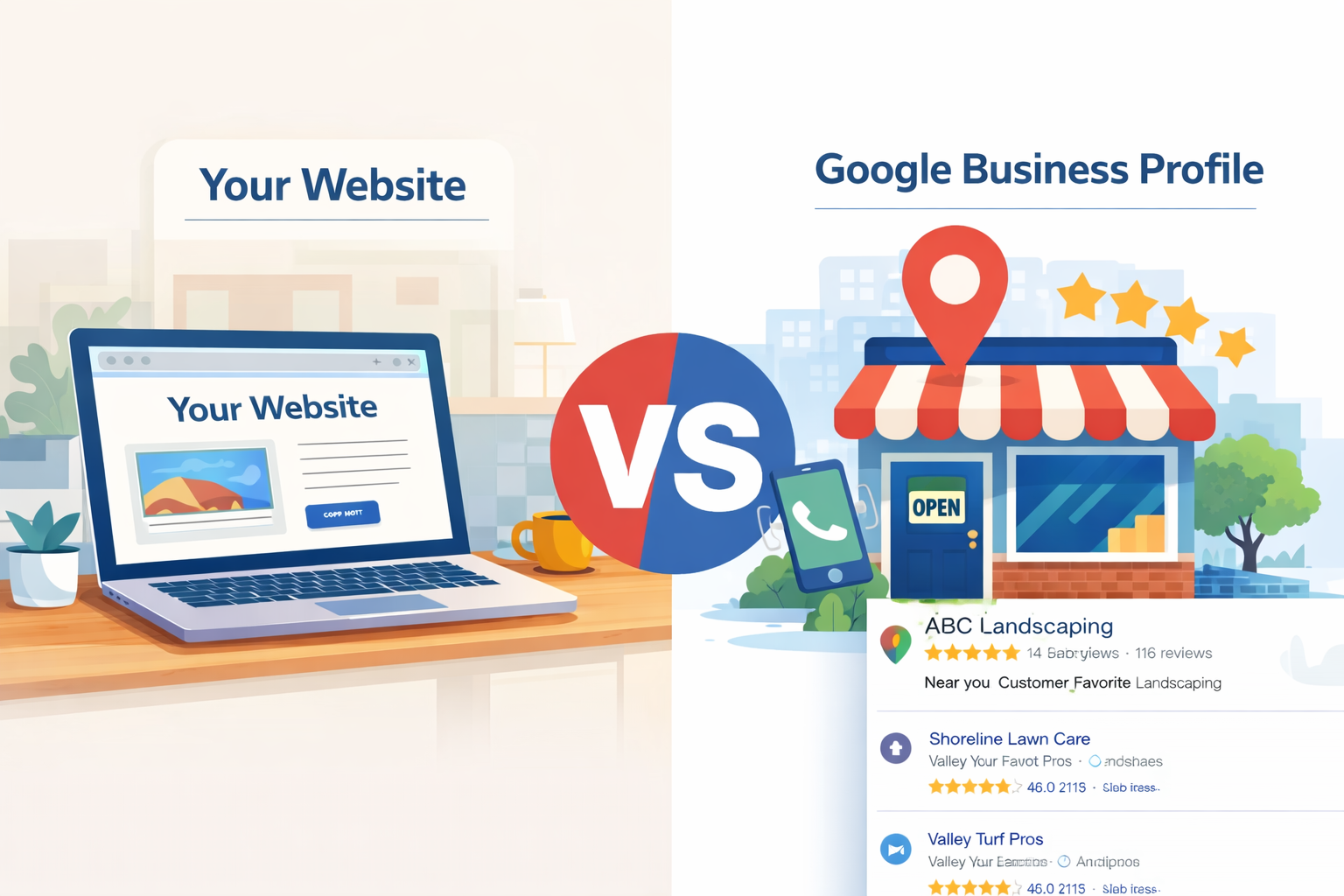
What many business owners don’t realize is that Google isn’t ranking websites in the Map Pack. It’s ranking businesses, primarily through their Google Business Profile. A polished website alone won’t earn this position. Google looks for signals that show your business is real, active, consistent, and trusted by people in the community.
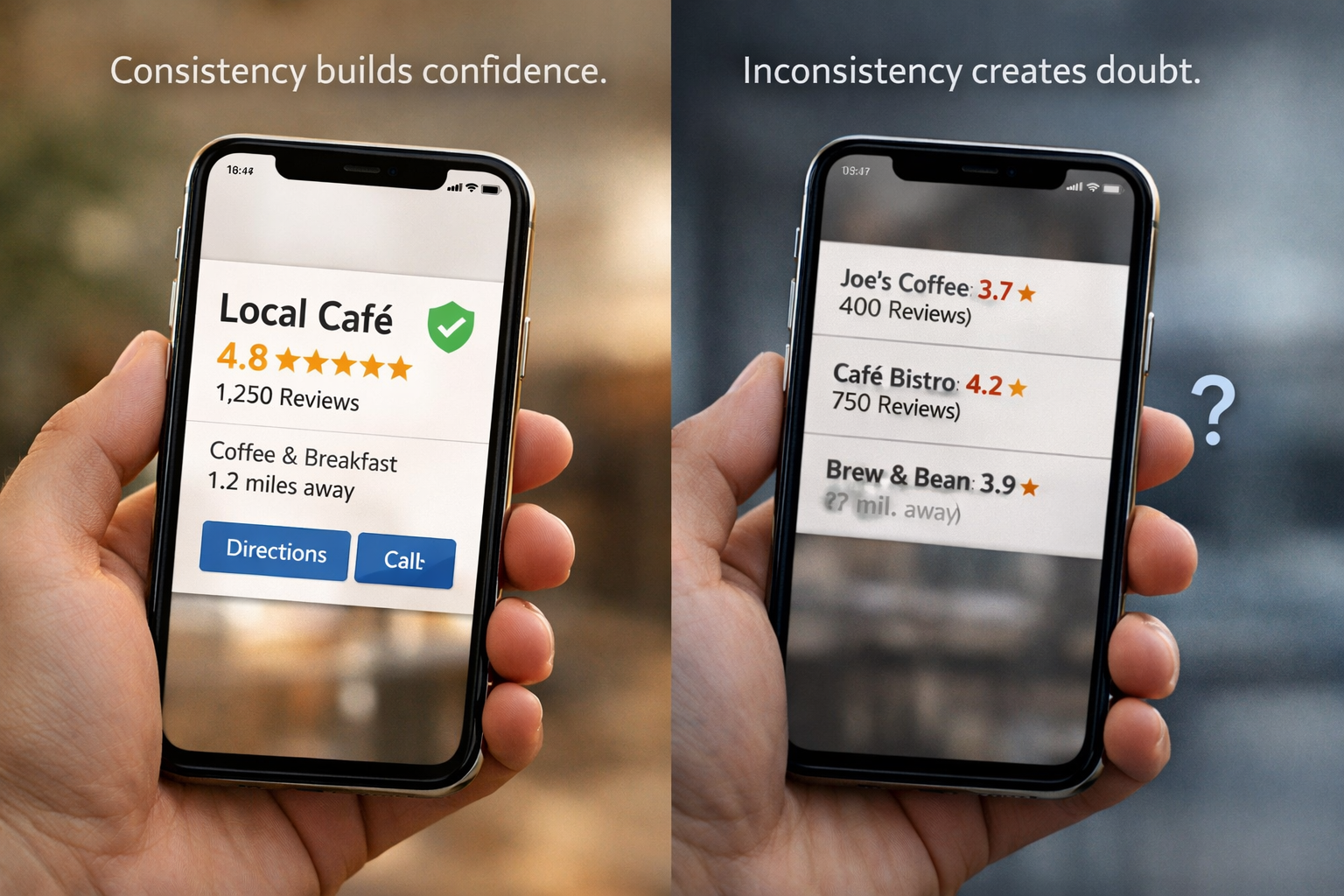
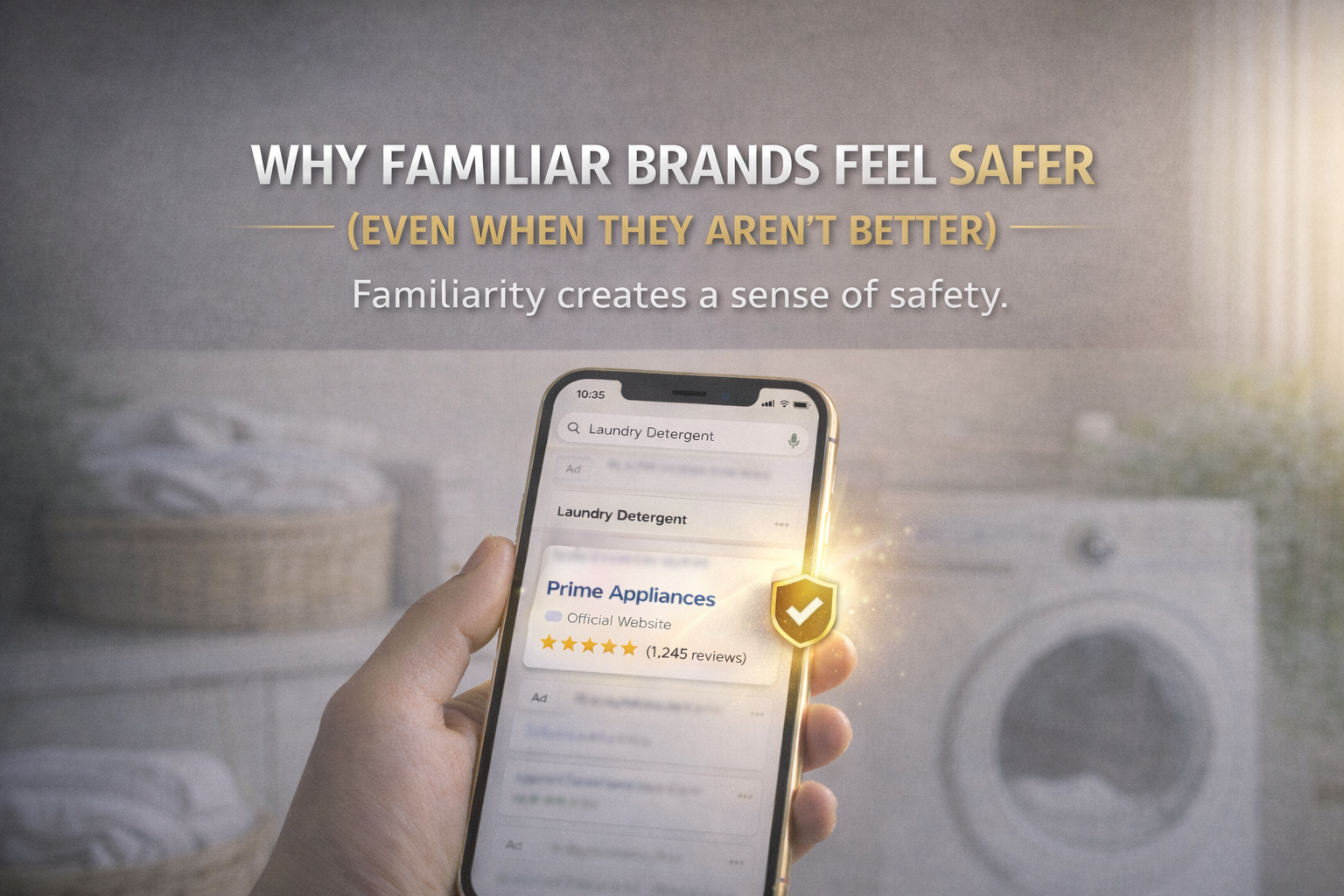
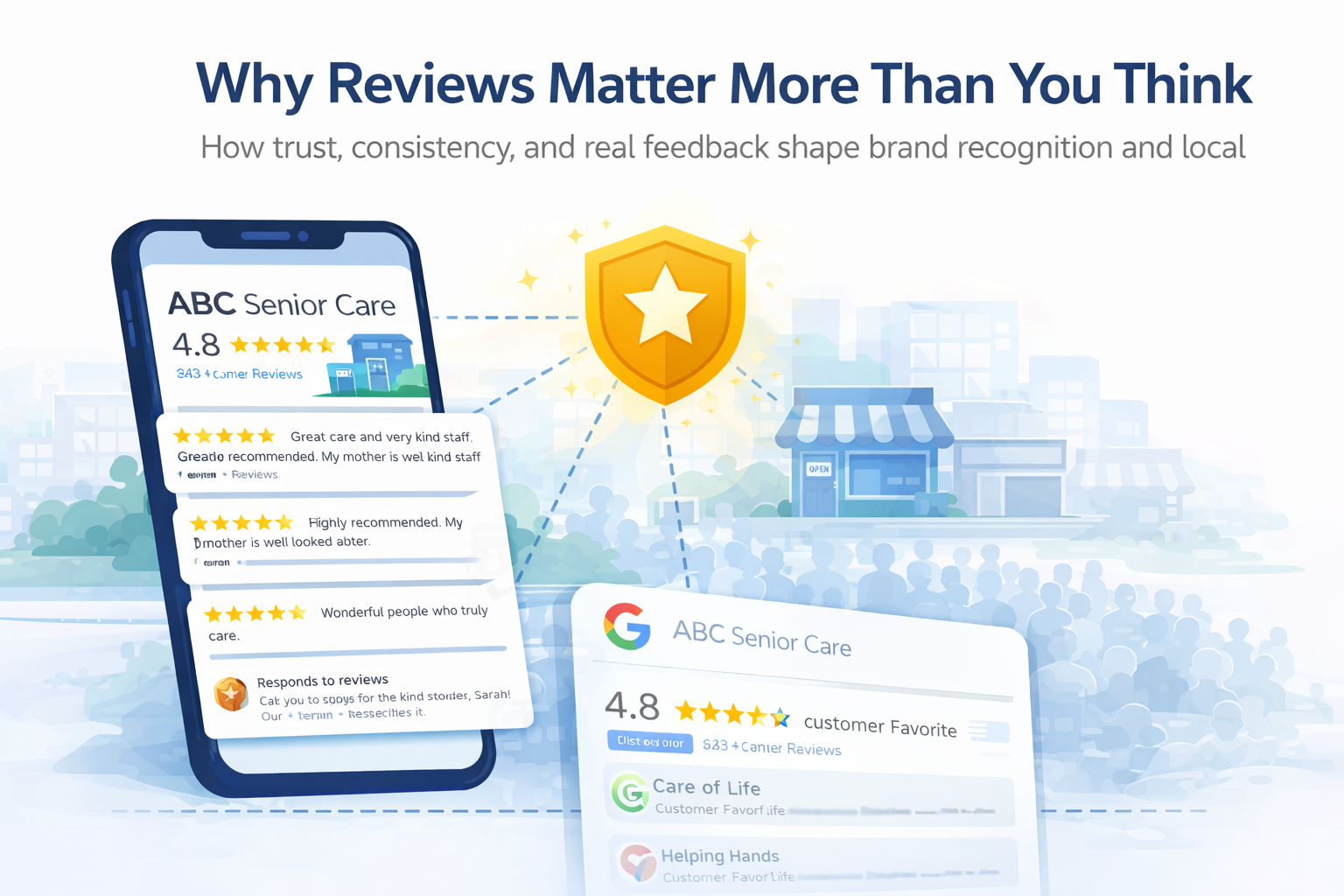
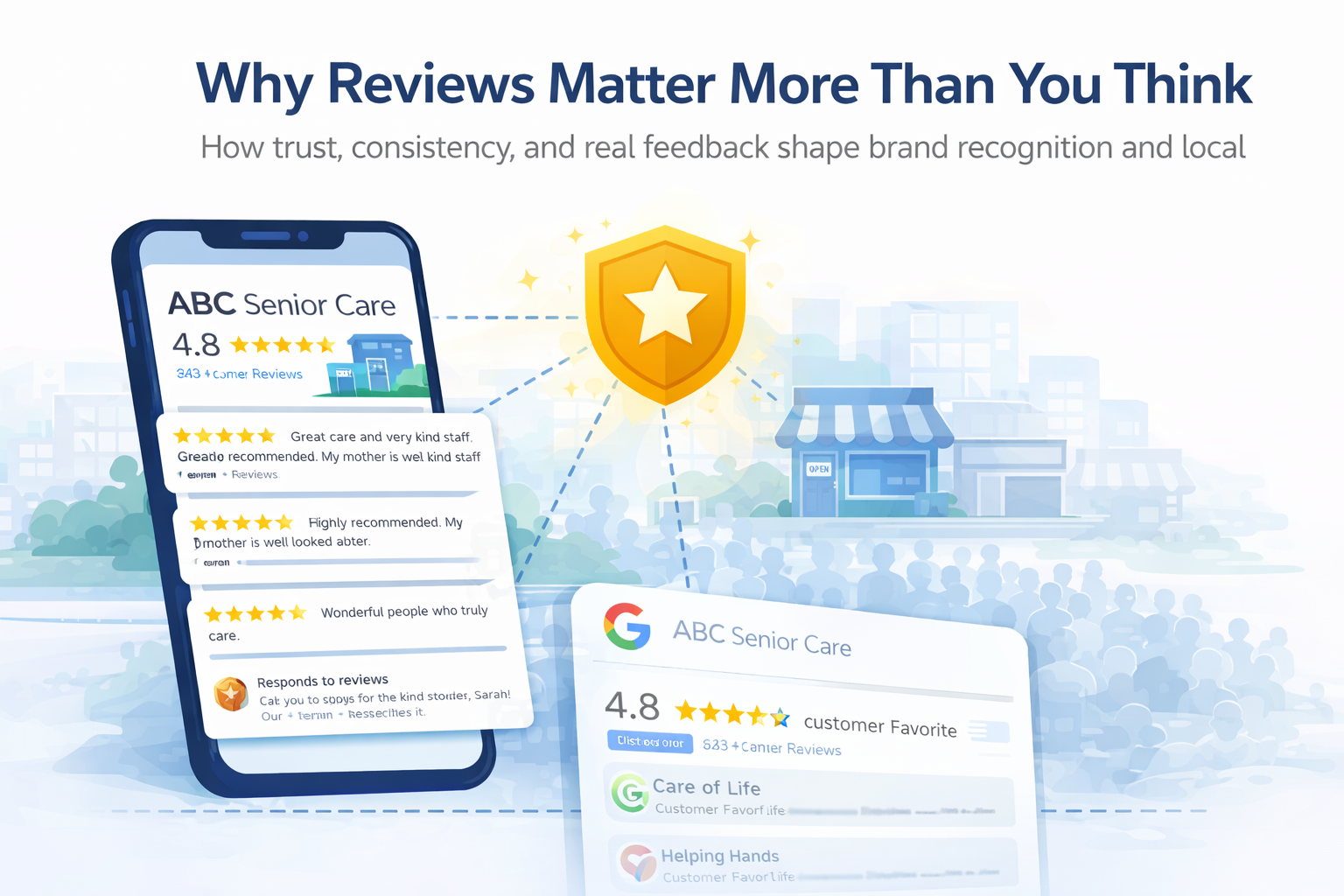
Brand recognition plays a larger role here than most expect. Google pays attention to how often customers interact with your listing, whether your business is searched by name, how reviews reflect real experiences, and how consistently your information appears online. These signals help Google determine whether your brand is known and trusted in your market. The stronger your recognition, the easier it is for Google to confidently place you at the top.
Proximity still matters, but it rarely works alone. A business that is slightly farther away can outrank a closer competitor if it demonstrates stronger brand signals and trust. Reviews, responses, photos, accuracy, and ongoing activity all contribute to this trust. Over time, these elements shape how Google evaluates reliability.
This is why the Map Pack doesn’t rotate endlessly. Once Google identifies businesses that consistently perform well and create positive user experiences, it tends to favor them. From the outside, this can look unfair or impossible to break into. In reality, Google is protecting the user experience by continuing to recommend brands that appear dependable.
Most businesses never reach the Map Pack because they treat their online presence like a setup task instead of a strategy. They fill in the basics, check the box, and move on. Meanwhile, competitors who may not even be better at the service itself show up first simply because they understand how Google measures trust and recognition.
When your brand clearly communicates what you do, where you serve, and why customers trust you—and when those signals remain consistent over time—Google becomes more confident showing your business first. That confidence leads to visibility, and visibility leads to calls from customers who are already looking to choose.
Understanding the Map Pack changes how businesses approach local marketing. It shifts the focus away from chasing traffic and toward earning recognition at the exact moment a customer is ready to decide. Only three businesses get that spotlight. The ones that do are the ones Google recognizes as the safest, clearest choice.