
John Henson-Rogers • January 15, 2026
Why Consistency Builds Brand Recognition Online
How showing up the same way—everywhere—earns trust, visibility, and long-term growth
Most businesses focus on being seen. Fewer focus on being remembered. That difference is where brand recognition is built, and consistency is the engine that drives it. When customers encounter the same business information, tone, visuals, and behavior across platforms, it creates familiarity. Familiarity becomes trust, and trust becomes the deciding factor when it’s time to choose.
Consistency matters because people don’t usually decide the first time they see a business. They notice it, move on, and then encounter it again later. Each touchpoint either reinforces recognition or creates doubt. When names, services, photos, messaging, or activity don’t line up, the brand feels fragmented. When everything matches, the brand feels established—even if the business itself isn’t large.
Google operates in much the same way. It looks for patterns over time, not one-off moments. Consistent information across your website, listings, reviews, and online mentions helps Google understand who you are, what you do, and whether you’re reliable. Inconsistent signals create hesitation, and hesitation rarely earns strong visibility.
This is especially true inside your Google Business Profile. Regular updates, accurate details, ongoing engagement, and steady review activity all reinforce brand recognition. Google sees a business that shows up the same way repeatedly as one that can be trusted to show up for customers as well.
Customers notice this too, even if they can’t articulate it. A business that looks active, current, and aligned across platforms feels safer. It feels like a business that pays attention. That perception matters more than clever slogans or perfect design. People trust what feels stable.
Where many businesses struggle is treating consistency as optional. They post when they remember, update information when something breaks, and respond to reviews sporadically. Over time, this creates gaps in recognition. Competitors who may not be better at the service itself quietly outperform them simply by being more consistent.
Consistency doesn’t mean doing everything perfectly. It means doing the right things repeatedly. Showing up with the same name, the same promise, the same professionalism, and the same care. Over time, those repetitions compound. Google becomes more confident recommending your business, and customers become more comfortable choosing it.
Brand recognition isn’t built in big moments. It’s built in small, repeated ones. Each consistent signal strengthens the next, until your business feels familiar before a conversation ever begins. That familiarity is what turns visibility into trust and trust into growth.
The businesses that win locally aren’t chasing attention. They’re earning recognition. And recognition is earned by showing up the same way, again and again, where it matters most.
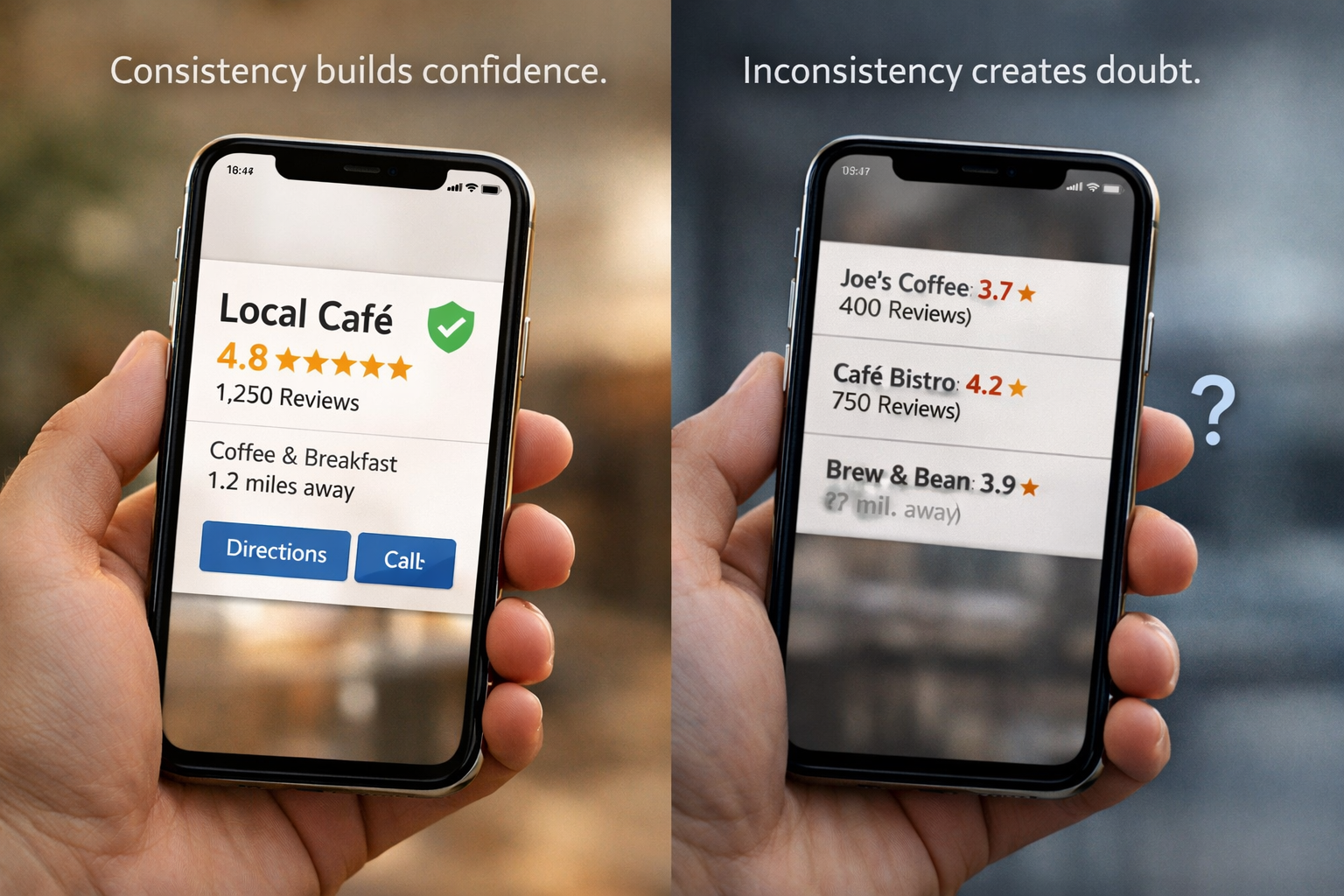
Customers don’t need a bad experience to lose confidence in a brand. Most of the time, doubt shows up long before a call is made or a form is filled out. It happens quietly, in seconds, when something doesn’t line up. A business might look fine at first glance, but small inconsistencies create friction that customers instinctively avoid. When someone searches for a service, they expect clarity. They want the business name, reviews, photos, and information to match wherever they encounter it. When those elements feel scattered or contradictory, it triggers uncertainty. Customers may not be able to explain what feels wrong, but they feel it immediately. And when doubt enters the decision, the safest move is to keep scrolling. Inconsistency shows up in subtle ways. A business name that changes slightly across platforms, outdated photos mixed with new ones, reviews that feel disconnected from the brand tone, or profiles that look active in one place and abandoned in another. None of these issues are dramatic on their own, but together they create hesitation. Hesitation is enough to lose the call. This reaction isn’t emotional weakness—it’s pattern recognition. People are wired to look for stability when making decisions. Brands that appear consistent feel predictable. Predictability feels safe. Brands that feel uneven create questions customers don’t want to answer. Is this business reliable? Is the information accurate? Will the experience match what I’m seeing? Google mirrors this behavior. Inconsistency makes it harder for Google to understand and trust a business. Conflicting signals across listings, reviews, and content create uncertainty for the algorithm just as they do for customers. Over time, that uncertainty can affect visibility, engagement, and ranking—especially within your Google Business Profile. This is where familiar brands gain an advantage. Familiarity doesn’t come from being everywhere—it comes from being the same everywhere. When customers repeatedly see the same name, tone, and level of professionalism, recognition builds. Recognition reduces effort. The decision feels easier because nothing needs to be questioned. Inconsistent brands force customers to think harder. Thinking harder feels like work. Work feels risky. So customers choose the brand that feels simpler, clearer, and more established—even if the service itself isn’t objectively better. Consistency removes friction before it ever becomes a problem. The irony is that inconsistency is rarely intentional. It usually comes from neglect, delegation without oversight, or treating platforms as separate tasks instead of parts of a single brand system. Over time, those gaps add up. The brand starts to feel unreliable, even when the business itself is solid. Trust isn’t built through perfection. It’s built through alignment. When information, visuals, tone, and activity stay consistent, customers feel grounded. They don’t need to analyze or compare as much. They just choose. That ease is the real advantage consistent brands create. In a crowded market, clarity wins. Businesses that understand this don’t chase attention—they protect alignment. They recognize that every inconsistency introduces doubt, and every moment of doubt is an opportunity lost.
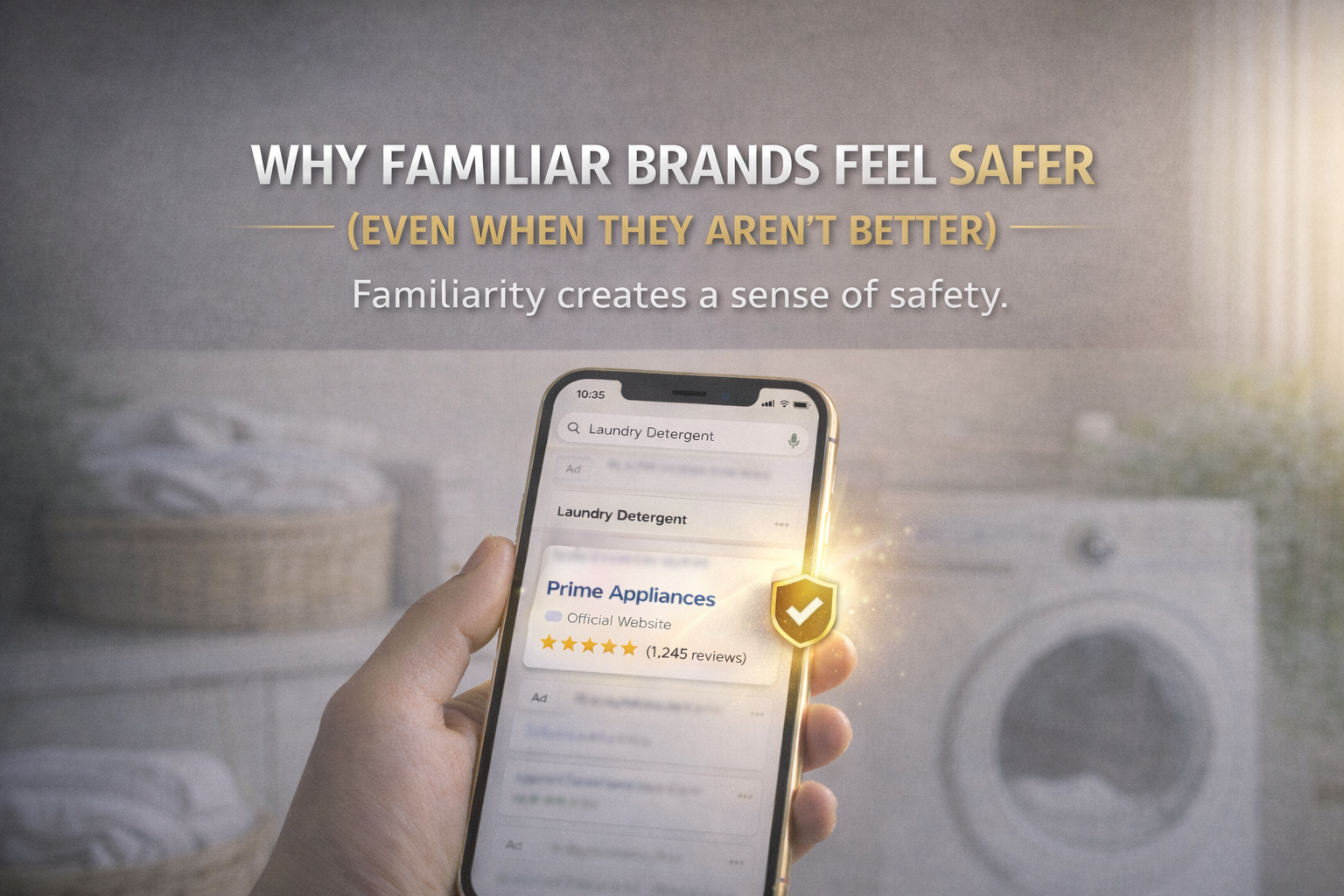
Most customers believe they make logical decisions. They compare options, weigh quality, and choose the best business for the job. In reality, many decisions are made long before logic ever enters the room. Familiarity plays a powerful role, often tipping the scale toward brands that simply feel safer—even when they aren’t objectively better. When someone searches for a local business, they aren’t starting with a blank slate. Their brain is already scanning for patterns it recognizes. A name that sounds familiar, a logo they’ve seen before, or a business they vaguely remember creates a sense of comfort. That comfort reduces uncertainty, and uncertainty is what customers are trying to avoid most. Familiarity works because it lowers perceived risk. Choosing a service always carries a small gamble. Will they show up? Will they do a good job? Will this turn into a headache? A recognizable brand doesn’t eliminate those risks, but it makes them feel more manageable. Customers assume that if a business is visible, consistent, and widely recognized, it must be reliable enough to trust. Google reinforces this behavior. Businesses that receive repeated engagement—clicks, calls, reviews, branded searches—send strong signals that users already recognize and choose them. Over time, Google becomes more confident surfacing those businesses again. Familiarity creates engagement, engagement builds visibility, and visibility further reinforces familiarity. This is especially noticeable inside your Google Business Profile. When customers see a business name they’ve encountered before, they hesitate less. Reviews feel more believable, photos feel more reassuring, and the decision feels easier. Even small moments of recognition can outweigh minor differences in pricing, services, or features. The challenge is that familiarity is often mistaken for quality. A business doesn’t have to be the best to feel safe—it just has to feel known. This is why newer or less visible businesses struggle, even when they deliver excellent service. Without recognition, customers feel like they’re taking a chance, and most people avoid chances when easier options exist. Consistency is what turns exposure into familiarity. Seeing the same business name across search results, reviews, maps, and content builds recognition over time. Each appearance reinforces the last. Eventually, the brand stops feeling new and starts feeling established. At that point, trust begins forming before any direct interaction occurs. This doesn’t mean customers are irrational. It means they’re human. Familiarity helps them make faster decisions with less stress. Brands that understand this don’t try to convince customers they’re better—they focus on being recognizable, consistent, and easy to trust. Businesses that win locally aren’t always the most talented or the most innovative. They’re the ones customers feel comfortable choosing. That comfort is built quietly, through repetition, visibility, and alignment. Over time, familiarity becomes its own advantage. The goal isn’t to trick customers into choosing you. It’s to remove friction from the decision. When your brand feels familiar, the choice feels safer. And when the choice feels safe, customers act.

Most customers don’t carefully evaluate every option when searching for a local business. They make a decision almost instantly. In the first few seconds, they scan names, ratings, photos, and small details that signal whether a business feels reliable. That moment is rarely conscious, but it’s incredibly powerful. By the time logic kicks in, the decision is often already made. When someone pulls out their phone and searches, they’re not looking to research—they’re looking to eliminate. Businesses that feel unclear, unfamiliar, or untrustworthy are filtered out immediately. Customers aren’t judging quality yet. They’re judging safety. Does this business look established? Does it look active? Does it look like other people trust it? This is where brand presence quietly does the heavy lifting. A recognizable name, consistent visuals, and clear information reduce hesitation. When a business looks put together, customers assume competence. When it looks scattered or outdated, doubt creeps in. And doubt is enough to lose the click. Google reinforces this behavior. Listings that earn quick engagement—clicks, calls, requests for directions—send a strong signal. Google interprets those actions as confidence. Over time, businesses that win the first five seconds are rewarded with better placement because users consistently choose them without hesitation. Your Google Business Profile is often the deciding factor in that moment. Reviews, recent activity, photos, accurate details, and responsiveness all stack together to form an impression faster than words ever could. Customers don’t read everything—they sense everything. This is why being “good” isn’t enough. Businesses that rely on reputation alone often lose to businesses that look trustworthy online. The first five seconds don’t measure how well you perform the service. They measure how safe the choice feels. The businesses that understand this build their presence to remove friction before it ever appears. Clarity matters more than cleverness here. Customers want to immediately understand who you are, what you do, and why others trust you. When that information is easy to absorb, the decision feels effortless. When it isn’t, customers move on without a second thought. Winning those first seconds doesn’t require manipulation or flashy marketing. It requires consistency, care, and alignment. When your brand signals line up across platforms, customers recognize you faster. Recognition leads to trust. Trust leads to action. The businesses that grow consistently aren’t asking customers to work harder to choose them. They’re making the decision easier. And it all happens in the first five seconds—before a phone call is made, before a website is opened, and often before the customer even realizes they’ve decided.
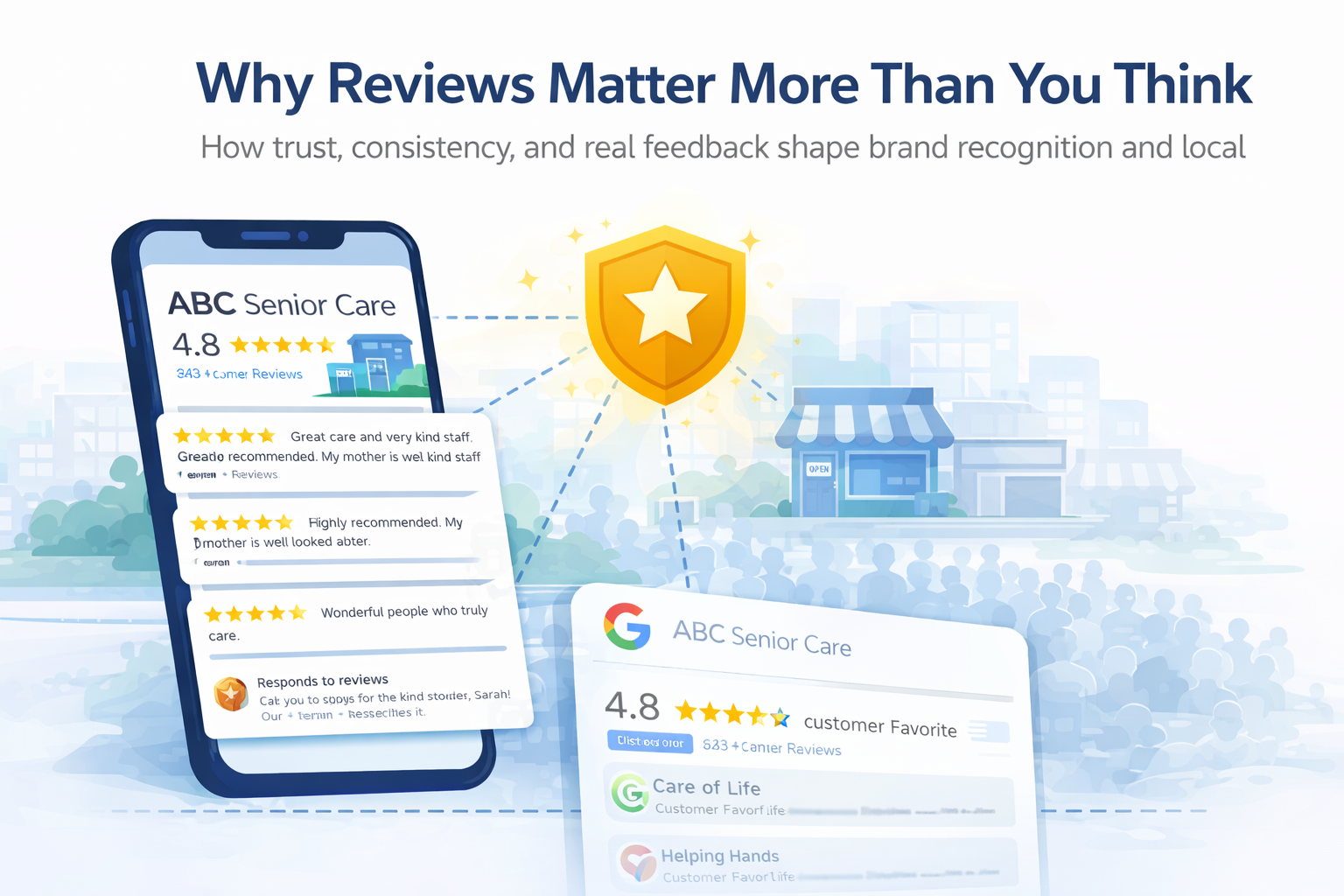
How trust, consistency, and real feedback shape brand recognition and local visibility

A lot of businesses focus their marketing on one goal: getting seen. More impressions, more clicks, more exposure. On the surface, that makes sense. If people don’t know you exist, they can’t choose you. But visibility alone doesn’t create customers. In fact, visibility without trust often does the opposite—it puts your business in front of people who scroll right past you. When someone searches for a local service, they aren’t just looking for options. They’re looking for reassurance. They want to know they’re making a safe decision. This is especially true when the choice involves money, time, or personal risk. In those moments, customers don’t choose the business they see first. They choose the business that feels right. This is where many businesses get stuck. They show up in search results, ads, or directories, but something about their presence doesn’t inspire confidence. The information feels thin, reviews feel outdated or inconsistent, and the brand doesn’t look established. The result is silent rejection. The customer doesn’t complain or leave feedback—they simply keep scrolling. Google sees this behavior, too. Visibility gets you shown, but trust determines whether users engage. When people don’t click, don’t call, and don’t interact, Google interprets that as hesitation. Over time, that hesitation affects how often your business is shown and where you appear. Visibility without trust doesn’t just fail to convert—it slowly erodes performance. This is why trust signals matter so much inside your Google Business Profile. Reviews, responses, photos, accurate details, and consistent activity all help answer the customer’s unspoken question: “Can I rely on this business?” When that question goes unanswered, visibility loses its power. Brand recognition plays a quiet but critical role here. Customers are more likely to trust what feels familiar. If they’ve seen your name before, if your brand looks consistent across platforms, and if others have validated your business publicly, the decision becomes easier. Trust reduces friction. Without it, every click feels like a risk. Many businesses try to solve this by pushing harder for attention—more ads, more posts, more noise. But attention without credibility rarely converts. It’s like walking into a store that’s brightly lit but poorly organized. You notice it, but you don’t stay. Trust is what turns attention into action. When visibility and trust work together, the experience changes. Customers recognize your brand, see consistent proof that others trust you, and feel confident reaching out. Google sees this engagement and reinforces it with stronger placement. Growth becomes less about chasing traffic and more about earning confidence. The goal isn’t just to be visible. The goal is to be believable. Businesses that understand this stop measuring success by impressions alone and start building trust intentionally. That’s when visibility stops being fleeting and starts turning into real, repeatable growth.
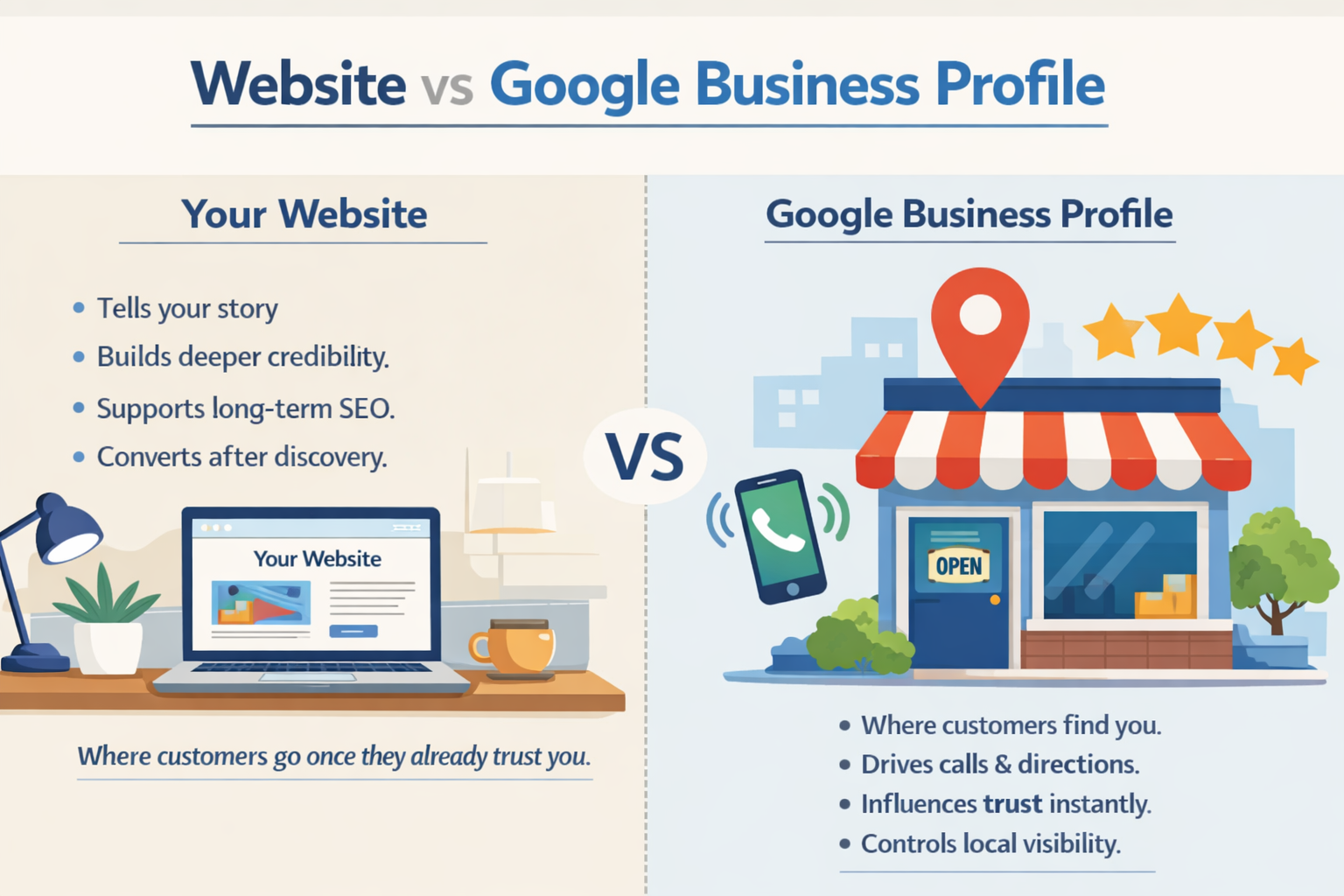
How local customers actually find you—and decide who gets the call
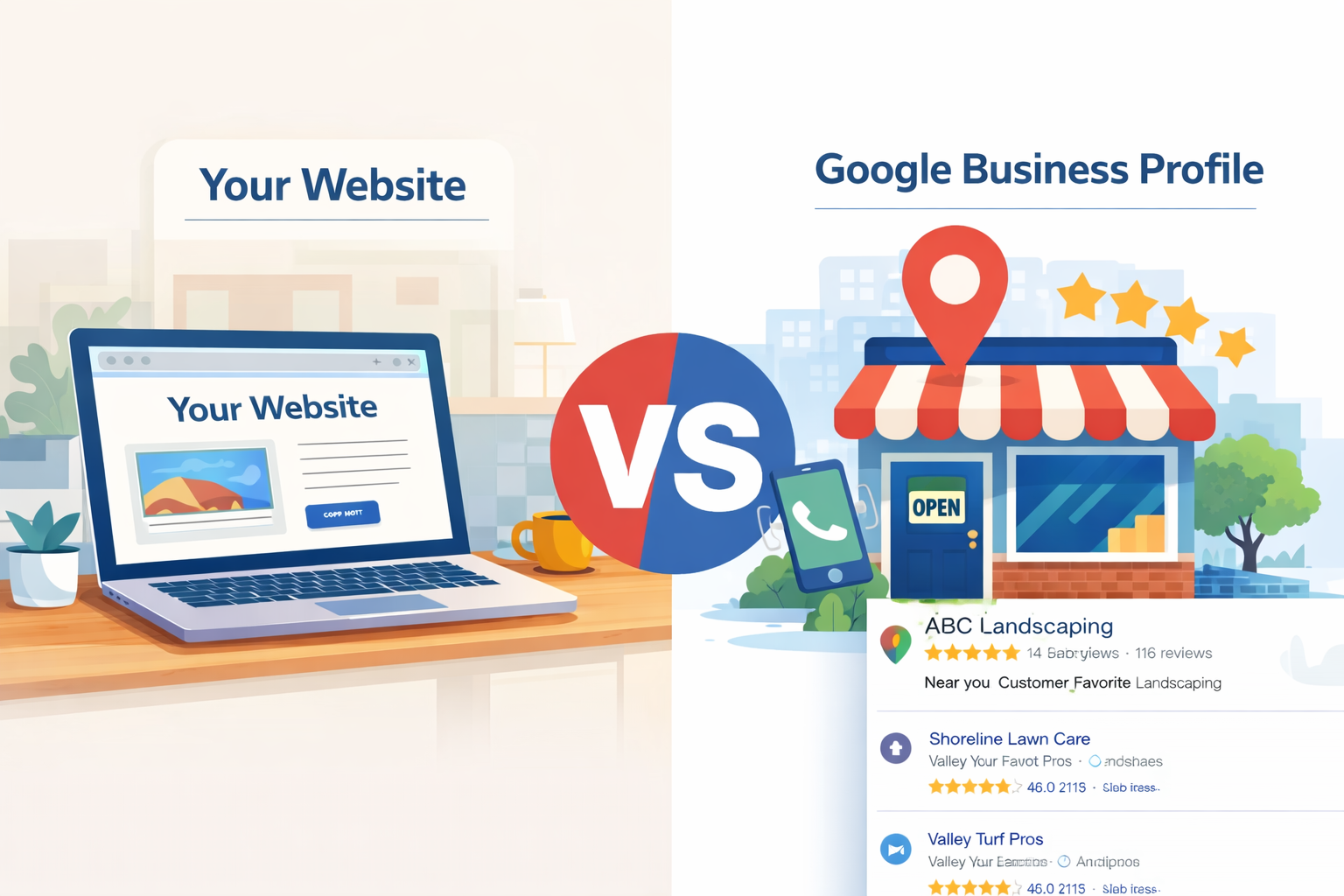
The different roles your website and Google Business Profile play in local growth
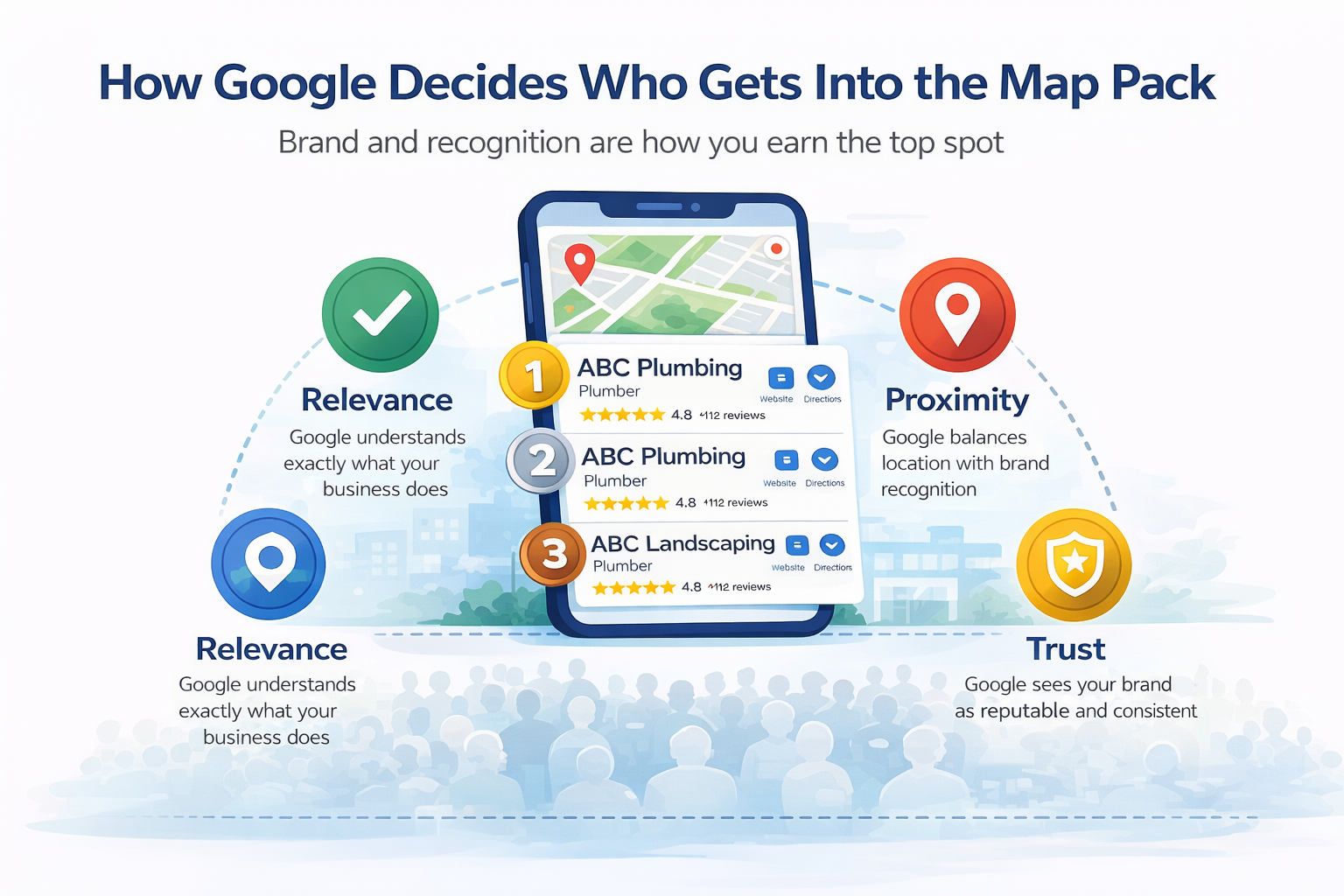
How brand recognition and trust determine who Google puts front and center

It's the most wonderful time of the year, and here at Henson-Rogers house, we're thrilled to celebrate the magic of Christmas with you! As we light the first candle on our advent wreath, we embark on a 30-day journey into the heartwarming world of Christmas traditions. Today marks a special occasion for us – our 1-year birthday of John's new Digital Marketing Company, RankHyperLocal! And what better way to celebrate than by diving into the festive season with a series that encapsulates the joy, love, and cherished customs that make this time of year truly magical. The Spirit of Giving: Christmas is more than just a holiday; it's a season of generosity, love, and togetherness. Throughout the next 30 days, we'll be unwrapping the layers of various Christmas traditions from around the world, exploring the stories and customs that make this season so special. From the nostalgic scent of gingerbread cookies baking in the oven to the joy of decorating the Christmas tree with twinkling lights, we invite you to join us in celebrating the spirit of giving and spreading warmth to those around us. A Global Celebration: One of the most beautiful aspects of Christmas is its universality. While the specifics of traditions may vary, the underlying theme of love and connection remains constant. In this series, we'll be taking you on a virtual tour across the globe, discovering unique Christmas customs from different cultures. From the lively festivals in Latin America to the cozy winter traditions of Scandinavia, we hope to illuminate the rich tapestry of celebrations that unite us in the spirit of joy. Family Ties and Festive Feasts: For many, the holidays are synonymous with family gatherings and delicious feasts. Throughout this series, we'll explore the heartwarming stories behind beloved family traditions. Whether it's the secret ingredient in Grandma's famous fruitcake or the special ornament that has adorned the tree for generations, we'll delve into the cherished rituals that make this season so intimately tied to family bonds. Adventures in DIY: Feeling crafty? Get ready for a sleigh-full of do-it-yourself projects that will add a personal touch to your holiday celebrations. From handmade ornaments to custom gift wrap, we'll guide you through creative and festive projects that you can enjoy alone or with loved ones. After all, what better way to express the joy of the season than through a bit of handmade magic? The Soundtrack of the Season: No Christmas is complete without the enchanting melodies that fill the air. In this series, we'll explore the stories behind classic carols, unwrap the history of favorite festive tunes, and even share some hidden gems that deserve a spot on your holiday playlist. Music has a unique way of capturing the essence of the season, and we're excited to share the stories behind the songs that have become synonymous with Christmas cheer. Reflections and Resolutions: As we approach the end of the year, Christmas offers a moment for reflection and setting intentions for the future. Throughout the series, we'll share personal stories and anecdotes that capture the essence of the season. From moments of gratitude to New Year's resolutions inspired by the spirit of Christmas, we hope to create a space for introspection and positivity as we bid farewell to the old and welcome the new. Community Connection: In the true spirit of Christmas, this series is not just about sharing traditions but also about building a community. We invite you to share your own stories, traditions, and festive experiences in the comments section. Whether it's a heartwarming family custom or a unique regional celebration, your stories contribute to the rich tapestry of holiday joy. Let's create a virtual fireplace where we can all gather and share the warmth of our collective experiences. As we unwrap the first day of this 30-day Christmas traditions series, we're filled with excitement and gratitude. Over the past year, RankHyperLocal has grown into a vibrant community, and we're thrilled to celebrate our 1-year birthday with this festive series. Join us daily as we unwrap a new story, a new tradition, and a new reason to embrace the joy of Christmas. From our RankHyperLocal family to yours, may this holiday season be filled with love, laughter, and the timeless magic of Christmas traditions. Cheers to the next 30 days of festive joy!

When it comes to SEO, there isn't a magic formula to instantly send your site off to the #1 search result on Google. But there are some basic principles you should follow for a wonderful starting point. Here are the top 5 SEO practices to start with: #1 Write for people, not for search engines Always write original, interesting, high quality site content that's error free and relevant to your site. Search engines like Google can easily detect content that is duplicated from elsewhere online, that contains grammatical errors, or that is stuffed with keywords. #2 Add a blog to your site and use rich media To engage your site visitors and blog readers, create posts that include non-textual media like photos, videos, or original visualizations (infographics). Having that extra content (especially if it's captivating) will increase the time users spend on your site as well as the likelihood they will share your site with their own community. #3 Offer a positive user experience throughout your site Google will know if you're using your site to aggressively advertise your service, or if you're being too pushy. Always aim to offer site visitors a pleasant experience on your site. That means clear content, support when needed, and always an option to go back. #4 Create a network of internal links (but don't overdo it) Add links between different pages of your site and your blog, but try to follow a process that feels organic rather than heavy linking meant just for search engine crawlers. Link between pages that make sense, for example, on your services page, link a certain industry specific term, and link it to a blog post you wrote about it, that gives more information on that term. #5 Always check your site's Core Web Vitals Core Web Vitals are a standard site performance standard initially created by Google. The report shows site owners how their site pages perform 'for real,' how long it takes for site visitors to load site pages, and it offers ways to fix issues, if there are any.